Skip content to notifications sidebar
Yale School of Art ShieldYale School of Art Shield

Yale School of Art

Graphic Design MFA

  • Faculty
  • Exhibitions
  • Students
  • Facilities

The Yale School of Art’s Graphic Design program emphasizes the development of students’ personal design practices through a unique pedagogical approach that focuses on a rigorous, deeply engaged core curriculum and the experience of developing a collaborative student cohort that privileges dialogue and relationship building.

Core curriculum includes individualized criticism with faculty and visiting artists, a lecture series, and strong mentorship from industry practitioners as a means of moving students’ individualized practices into the outside world. Group critiques of works-in-progress, discussions around readings, and strong emphasis on a wide range of interdisciplinary design electives round out the approach. Finally, students present their work through a culminating project, the Thesis Book, as well as end-of-semester reviews with panels of faculty and external critics.

The Yale School of Art’s Graphic Design program is differentiated by its cultivation of self-initiated research and deeply individualized approach to the thesis project. The program’s students have worked in the design field prior to pursuing the MFA degree. For those who lack this experience, a three-year Preliminary Degree Program supports students without a BFA in design who nevertheless show strong interest in pursuing an MFA in the discipline.

60 credits total are required to graduate. 

42 credits in your area of concentration (including Art 949a, Critical Practice), and 18 additional credits, including a minimum of 6 academic credits, which can be selected from throughout the University’s rich offerings.

First Year

Fall

Spring

art 720 1st-year Graduate Studio: 6 credits
art 949 Critical and Professional Practices: 3 credits
Graphic Design Elective: 3 credits
Graphic Design, Studio, or Academic Elective: 3 credits

Total minimum credits for Fall Term: 15

art 721: 1st-year Graduate Studio: 6 credits
art 723: Writing as Visual Practice: 3 credits
Graphic Design Elective: 3 credits
Graphic Design, Studio, or Academic Elective: 3 credits

Total minimum credits for Spring Term: 15


Second Year

Fall

Spring

art 730, 2nd-year Graduate Studio: 3 credits
art 738, Degree Presentation: 6 credits
Graphic Design Elective: 3 credits
Graphic Design, Studio, or Academic Elective: 3 credits

Total minimum credits for Fall Term: 15

art 731, 2nd-year Graduate Studio: 3 credits
art 739, Degree presentation: 6 credits
Graphic Design Elective: 3 credits
Graphic Design, Studio, or Academic Elective: 3 credits

Total minimum credits for Spring Term: 15


Preliminary-Year*

Fall

Spring

art 266 Graphic Design Histories: 3 credits
art 710 Preliminary Studio: 6 credits
art 712 Prelim Typography: 3 credits
art 714 All Design Considered: 3 credits

Total minimum credits for Fall Term: 15

art 369: Interactive Design and the Internet: 3 credits
art 468: Advanced Graphic Design: Ad Hoc Series and Systems: 3 credits
art 711: Preliminary Studio: 6 credits
art 715: All Design Considered: 3 credits

Total minimum credits for Spring Term: 15

*The preliminary year has a required studio course sequence, and additional electives are not recommended. After successful completion of the preliminary year, students automatically continue into the two-year MFA program.

Portfolio Contents

Your portfolio should be a collection of visual work, professional, experimental, commissioned, and self-initiated, that demonstrates your experience, skills, and passions in the field of design and related disciplines. Of particular interest is work that is personally-driven and challenges norms of conventional professional practice. Our community is built on values of diversity and dexterity in visual communication and scholarship, and we are seeking individuals with great curiosity, creativity, ambition, and depth of commitment. Your portfolio should represent a well-rounded portrait of who you are, where your interests lie, and communicate a strong sense of how you might develop your practice in this program.

Upload up to 20 still images and/or videos (but not only videos) that represent your strongest work, with an emphasis on recent work from the last few years. Please note that the Slate viewer, which the admissions committee uses to assess your work, automatically sequences your work from most recent to oldest. There is not the ability to override this function.

Portfolio Formatting

The portfolio submission interface will prompt you to label each image with a title, date, medium, and a brief description of the work (please do not include your name in the work title or description). Work titles should be limited to 30 characters and descriptions to one concise sentence.

As it’s necessary to review portfolios quickly and at a relatively small scale, we strongly encourage you to present work large within the frame and in a simple and clear manner, so as to maximize our understanding. Generally-speaking, single images with one view of a project work best to achieve this. Split or composite images can make details or complex works difficult to appreciate and may risk being overlooked or misunderstood, so use these only sparingly.

When presenting books or pamphlets, prepare a few representative images that best capture its primary features, or alternatively, make a short video showing a range of spreads. For interactive media, stills are helpful, but we encourage making a short video that captures the user experience. For complex systems-related or identity projects, highlight just the strongest components in a few images, and for three-dimensional works, show the surrounding context so material and scale relationships are clear.

File Sizes and Types

All digital files must adhere strictly to the specifications outlined below. It’s critical that you do not format images in a presentation program (e.g., PowerPoint, Keynote, PDF). PDFs and presentation program formats are not viewable in our system; only the first page/slide will display. Do not include the title or caption in the image file, as it will decrease the viewable image area.

Media files as large as 5GB are supported, but please be advised that larger files will take longer to upload from your Internet connection and may stall if you are on a wireless connection or one that cannot sustain a connection for the necessary period of time. Uploaded documents (such as transcripts) may contain no more than 75 pages.

The works in your portfolio will display in chronological order by year entered in the image data. This is an embedded feature in the system structure. For example, art #1 made in 2021, art #2 made in 2022, and art #3 made in 2024 will appear in that order. However, if you have multiple pieces created within a single year, you will be able to arrange the artwork in any order within that group of files.

Video files should be no longer than two minutes in length. If you upload a video that is longer than two minutes, it will automatically time out at two minutes. Please note that videos are considered as part of your selection of twenty file uploads and should not be used as a method of showing examples of additional still images. Do not include captions, titles, or credits within the video files.

If you wish to submit longer videos, you may post full video files to your own website and provide the link at the end of your statement. Note, however, that the admissions committee will not be in a position to review works of extensive length.

  • Video: .3g2, .3gp, .avi, .m2v, .m4v, .mkv, .mov, .mpeg, .mpg, .mp4, .mxf, .webm, .wmv
  • Audio: .aac, .m4a, .mka, .mp3, .oga, .ogg, .wav
  • Slide: .bmp, .jpg, .jpeg, .png, .tif, .tiff

Please note that while the Slate application portal lists .gif as an accepted file type, we have found that it does not work well in the system. Please avoid using .gif files.

Résumé

Both the content and design of your résumé are assessed. It should not be longer than 2 pages.

The editor details dialog for this module is now collapsed.

Review Process

At the start of the review process, each application is assigned to a faculty member on the admissions committee to conduct a comprehensive review of all submitted material (portfolio, résumé, statement, recommendations, academic credentials, and TOEFL scores). A second review is then conducted by the entire admissions committee, as well as current graduate students, who view each portfolio projected onto a screen. Thereafter, a selection of applicants are invited for an interview.

As you focus on the pursuit of this opportunity, we wish to emphasize that the Yale School of Art does not operate in a vacuum and is responsive to the strong social, cultural and political currents of this time. The graphic design faculty feel a heightened imperative to embrace inclusivity, diverse ways of making and knowing, and is committed to expanding its pedagogical consciousness and programming to include an array of race, class and gender intersections.

  • Apply Now

Faculty

Leadership

  • Nontsikelelo Mutiti

    Director of Graduate Studies in Graphic Design, 

    Assistant Professor

Full-Time Faculty

  • Alvin Ashiatey

    Lecturer, 

    Graphic Design Lab

  • Julian Bittiner

    Senior Critic

  • Tiriree Kananuruk

    Lecturer

  • Henk Van Assen

    Senior Critic

  • Andrew Walsh-Lister

    Graduate Coordinator, 

    Senior Critic

Exhibitions

1 of 8

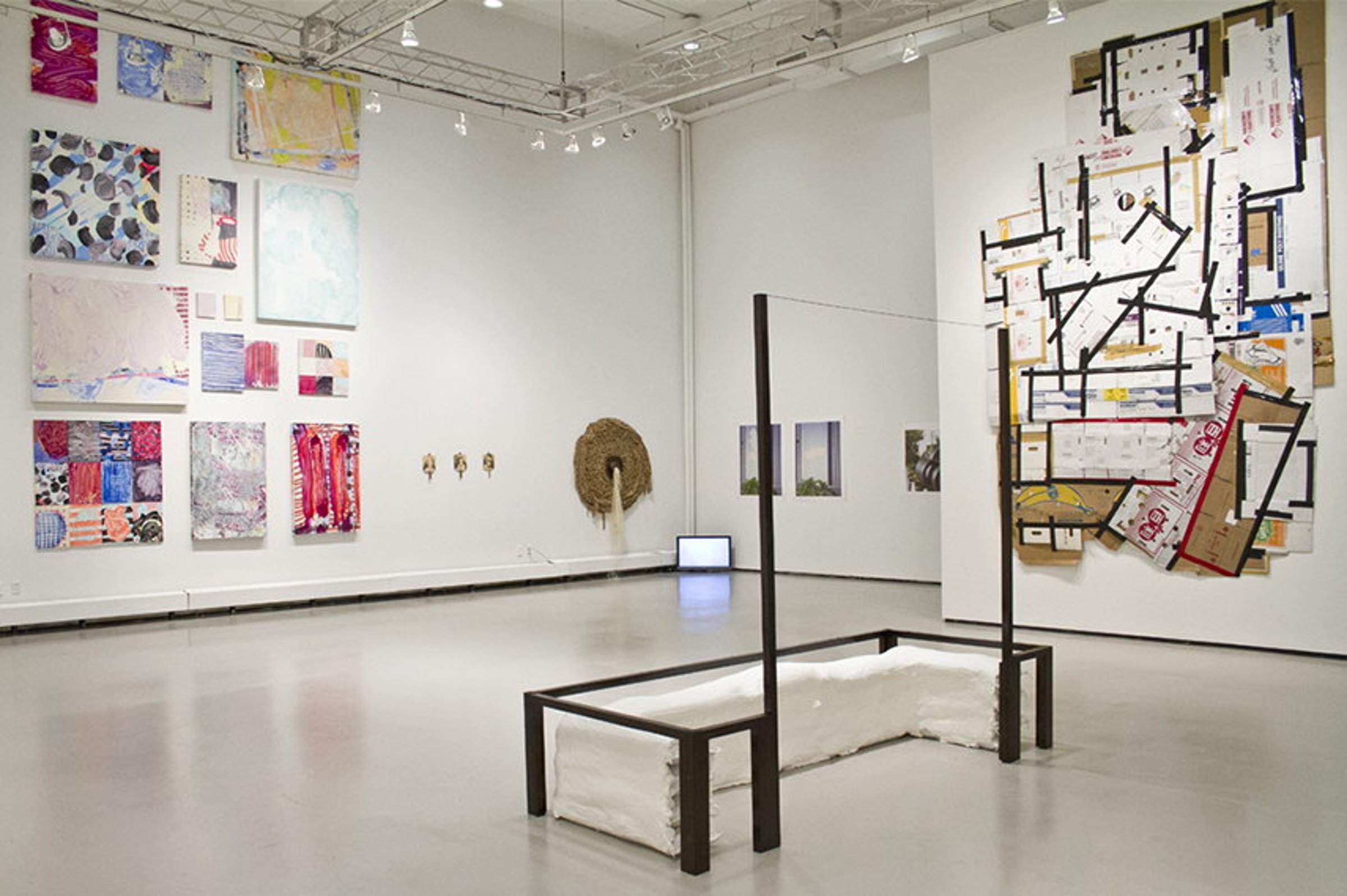
Installation image of Today a Reader: Graphic Design MFA Thesis Show
Today a Reader
Graphic Design MFA Thesis Show
May 11 – 20, 2019
View All Exhibitions

Students

Preliminary Year

  • Fiorella Del Castillo
  • Le Liu
  • Nakaya Lynch
  • Sama Mammadova
  • Jiangyue Qiu
  • Yuchen Wang
  • Mingge Zhong

First Year

  • Laura Capriles
  • Shagnik Chakraborty
  • Mi Chen
  • Vanilla Haolin Chi
  • Kseniia Filatova
  • Grace Han
  • Phoebe Kerr
  • Saerom Kim
  • Sebastian Lijó
  • Yinan Lin
  • Charitssa Stone
  • Manni Su
  • Xin Tan
  • Ron Tau
  • Ningxin Yao
  • Peiran (Xing) Zhang

Second Year

  • Izza Alyssa

Facilities

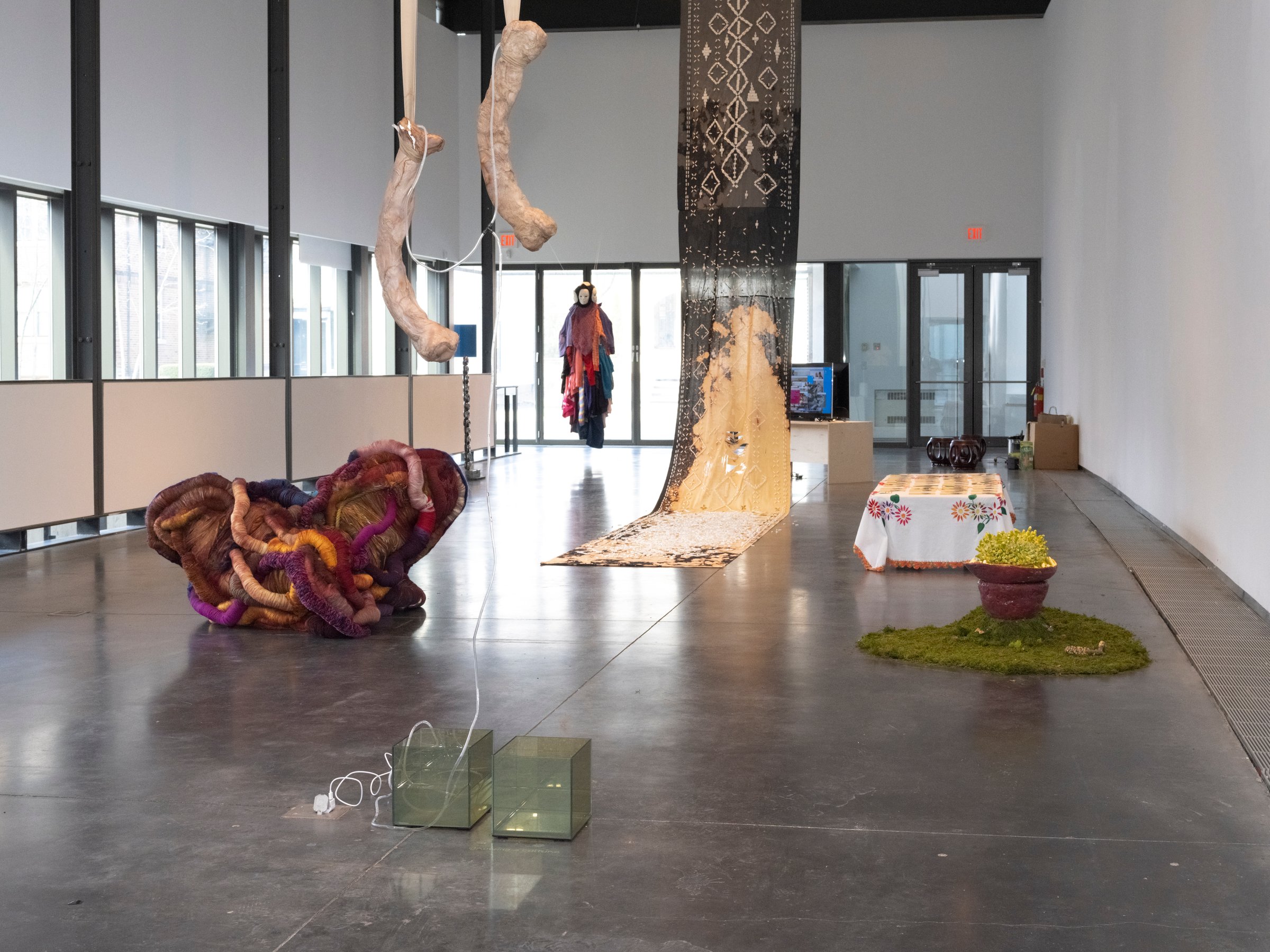
Green Hall Gallery

Green Hall
1156 Chapel Street

Mon – Sun: 4 PM – 8 PM ET

32 Edgewood Gallery

32 Edgewood Avenue

Hours vary by exhibition. Please see the calendar for details.

3D Printing

Mon – Sun: Closed

Laser Lab

36 Edgewood Avenue

Basement floor, Room 20

Please see Laser Lab Sign-up sheet

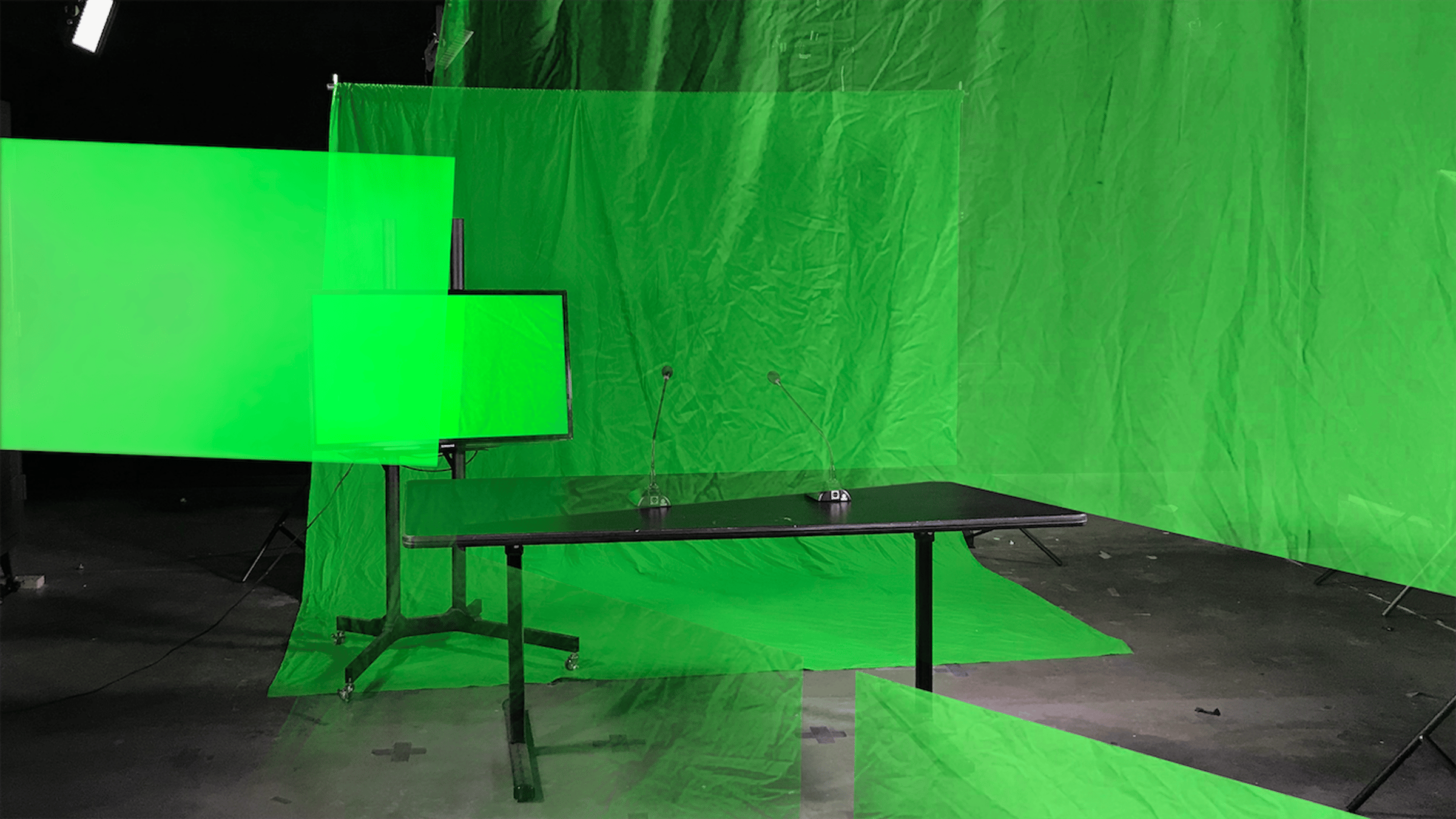
Edgewood Production Studio

36 Edgewood Avenue 

Basement floor, Room 17

Mon – Sun: 10 AM – 4 AM ET

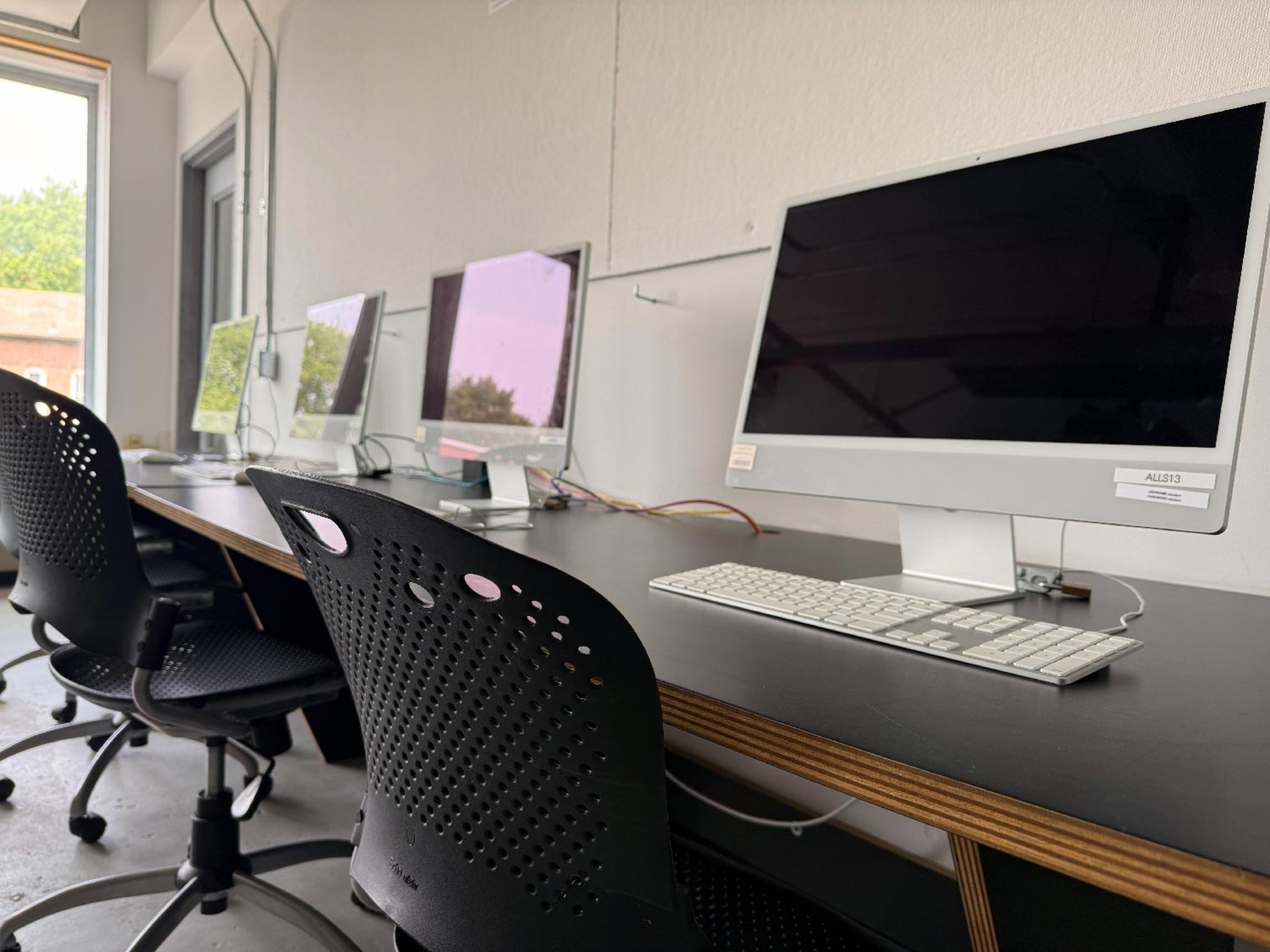
All School Lab and Annex

Mon – Sun: Closed

Yale School of Art

1156 Chapel Street
POB 208339
New Haven, CT 06520-8339

  • © 2026
  • Support the School
  • Visit
  • Instagram
  • Facebook
  • YouTube
  • Contact
  • Accessibility at Yale

Exhibition

Close

Today a Reader

Graphic Design MFA Thesis Show

View Exhibition Documentation

May 11 – 20, 2019

Featuring Micah Barrett, Severin Bunse, Evan Chang, Hyungseuk Cho, DhoYee Chung, Simone Cutri, Emma Gregoline, Willis Kingery, David Knowles, Zhongkai Li, Rosa McElheny, Zack Robbins, Haeok Shin, Soomin Shon, Hua Shu, Tania Alvarez Zaldivar, and Liyan Zhao.


Dear Reader,

We invite you to a public reading by the Yale School of Art Graphic Design Class of 2019.

On May 18, Rosa will describe the art of reading, Zack will skim his surfaces, Severin will playback his tape, Tania will talk to her images, Emma will unfold her book, Liyan will reenact her films, Evan will work in shadows, Soomin will speak from a distance, Hua will deliver a TED Talk, Hyung will tell you a story about Buster Keaton, Simone will turn the screen ON, Willis will compile a text, Kai will narrate his life, Micah will let his computer do the talking, David will hawk his books, Dho Yee will hide in the audience, and Haeok will read to you from under her hood. The day starts at 3pm, followed by drinks at 6!

Any day between May 11 and 21, you are welcome to come inside, sit down, and read. On view will be our seventeen thesis books, as well as other projects made during our time at Yale.

Sincerely,

Micah Barrett, Severin Bunse, Evan Chang, Hyungseuk Cho, DhoYee Chung, Simone Cutri, Emma Gregoline, Willis Kingery, David Knowles, Zhongkai Li, Rosa McElheny, Zack Robbins, Haeok Shin, Soomin Shon, Hua Shu, Tania Alvarez Zaldivar, Liyan Zhao

today-a-reader.com


Exhibition documentation photography by Sara Abbaspour, Photography MFA ‘19.

Close
Yale School of Art Logo
/Program/Exhibitions